Key Takeaways Neglect is more expensive than maintenance. Paint correction, clear coat restoration, and oxidation repair can cost Phoenix vehicle owners anywhere from $500 to over $2,000 — expenses that consistent express washing is specifically designed to prevent. Arizona’s environment compounds damage daily. UV radiation, alkaline desert dust, hard water mineral deposits, and biological contaminants don’t pause between washes. Every …
You Just Got Ceramic Coating — Now What? The Complete Arizona Aftercare Guide
Key Takeaways The first two weeks are critical. Ceramic coating needs time to fully cure and bond to the clear coat. Exposure to water, harsh chemicals, or contaminants during this window can compromise the coating’s durability and void warranty coverage. Automatic brush washes will damage the coating. Stiff bristles and abrasive contact strips create micro-marring that degrades the hydrophobic layer …
Just Moved to Phoenix? Here’s What the Desert Is About to Do to Your Car
Key Takeaways Phoenix’s intense UV rays break down automotive clear coat and paint far faster than most other U.S. climates, often causing visible fading within the first year of unprotected exposure. Hard water from sprinklers and mineral-heavy tap water leaves etched spots on paint and glass that become permanent if not removed promptly. Fine desert dust acts like micro-abrasive sandpaper …
Matte & Satin Paint Care in Phoenix: The Expert Guide to Protecting “Frozen” Finishes
Key Takeaways Modern matte is mainstream. Factory “Frozen,” “Magno,” and satin paints from brands like Mercedes-Benz, BMW, Genesis, and Hyundai are now common in the Valley—but they require very different care than traditional glossy clear coat. Matte paint cannot be buffed. The textured surface creates the satin look. Using the wrong wax, polish, or even a dirty wash mitt can …
The Hidden Paint Killer: How to Prevent and Reverse Oxidation in the Arizona Sun
Key Takeaways Arizona UV is extreme: Phoenix and Scottsdale receive some of the highest solar radiation levels in the country, accelerating paint oxidation and clear coat failure. Paint is a vulnerable polymer system: Automotive clear coat is a plastic-like polymer; UV exposure breaks chemical bonds in a process called photo-oxidation, causing fading, chalkiness, and eventually peeling. Professional care protects resale …
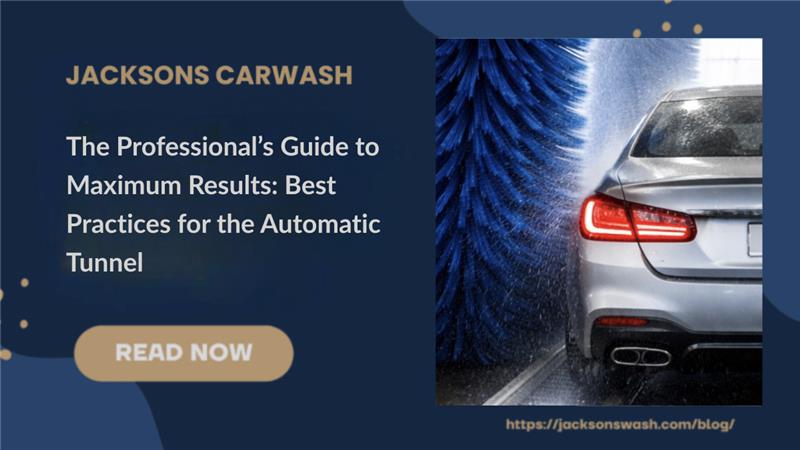
The Professional’s Guide to Maximum Results: Best Practices for the Automatic Tunnel
Key Takeaways Preparation is half the result: Simple steps such as retracting antennas, removing loose items, and clearing truck beds dramatically reduce the risk of damage and improve cleaning quality. Modern technology must be managed: Advanced driver-assistance systems, rain-sensing wipers, and Auto-Hold braking features should be adjusted before entering an automatic tunnel to keep the wash safe and predictable. Driver …
Bug Splatter and Your Car: Why Jacksons Says “Don’t Let It Bake”
Key Takeaways Bug guts aren’t just ugly – they’re a mix of acids, enzymes, and bacteria that can stain and etch your clear coat if left alone. The damage doesn’t wait for summer heat – chemical reactions keep working around the clock, even when it’s not blazing hot outside. Frequent, gentle washing beats weekend scrubbing – with the Jacksons Unlimited …
The Science of the Reset: Why Professional Extraction Is the Only Real Fix for Deep Interior Stains
Key Takeaways “Ghost stains” are real: Spots that vanish when wet but reappear as the fabric dries are usually the result of wicking from the padding below, not surface dirt. DIY scrubbing often makes things worse: Excess water and harsh chemicals push contaminants deeper into the foam, then pull them back up as the material dries. Professional extraction is a …
The Silent Wheel Killer: Why Professional Detailing is the Only Cure for Brake Dust
Insights provided by the Senior Detailing Team at Jacksons Car Wash, drawing on decades of collective experience in paint correction and wheel restoration across the Phoenix and Scottsdale metro area. Last updated: January 2026. Key Takeaways Brake dust is more than dirt: It’s a mixture of hot metal and pad material that can undergo sintering—a process where heat fuses particles …
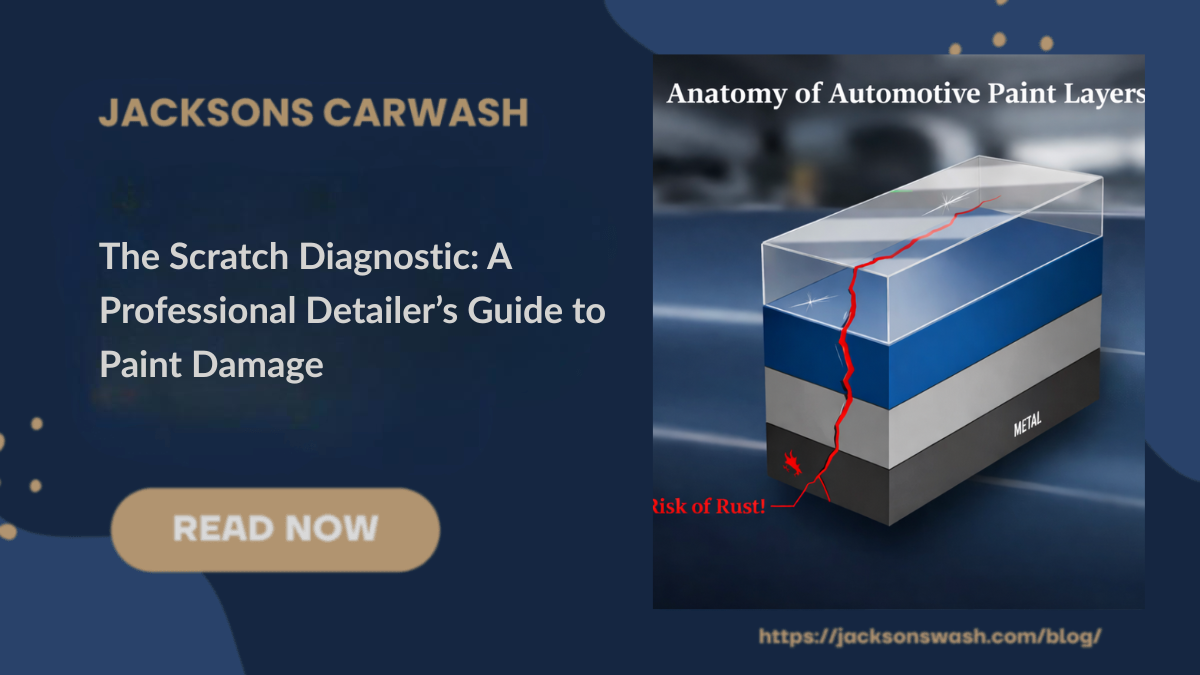
The Scratch Diagnostic: A Professional Detailer’s Guide to Paint Damage
Key Takeaways (TL;DR) The Fingernail Test: Gently glide a clean fingernail across the scratch. If it catches, the damage is deeper than a simple surface mark. If it glides smoothly, you’re usually looking at clear-coat level defects we can often correct with polishing. The Water Trick: Lightly mist the scratch with water. If it seems to disappear when wet and …